
Common WordPress Security Issues and How to Prevent Them

WordPress is one of the most popular platforms for building websites, blogs, and online stores. Its flexibility, extensive plugin ecosystem, and customization options make it a preferred choice for businesses of all sizes.

However, like any website platform, WordPress websites can face security threats if they are not properly maintained and protected.

WordPress security issues can lead to malware infections, unauthorized access, stolen information, website downtime, and damage to your business reputation. Even a small security weakness can create opportunities for attackers to compromise your website.

The good news is that most common WordPress security risks can be reduced with proper security practices, regular updates, strong authentication, and continuous monitoring.

In this guide, we will explore the most common WordPress security issues and practical ways to prevent them.

Why Is WordPress Website Security Important?

Your website represents your business online. Customers may use it to explore your services, submit contact forms, create accounts, or make purchases.

If your website is compromised, it can affect both your business operations and customer trust.

Here are some reasons why WordPress security is important:

  • Protect business information: Prevent unauthorized access to sensitive website and customer information.
  • Maintain website availability: Reduce the risk of downtime caused by malware or malicious attacks.
  • Protect customer trust: Keep your website safe for visitors and customers.
  • Prevent financial losses: Reduce the possibility of fraudulent transactions and business disruption.
  • Maintain SEO performance: Prevent hacked content, malicious redirects, and malware warnings from affecting your search visibility.

Website security should be an ongoing process rather than a one-time task.

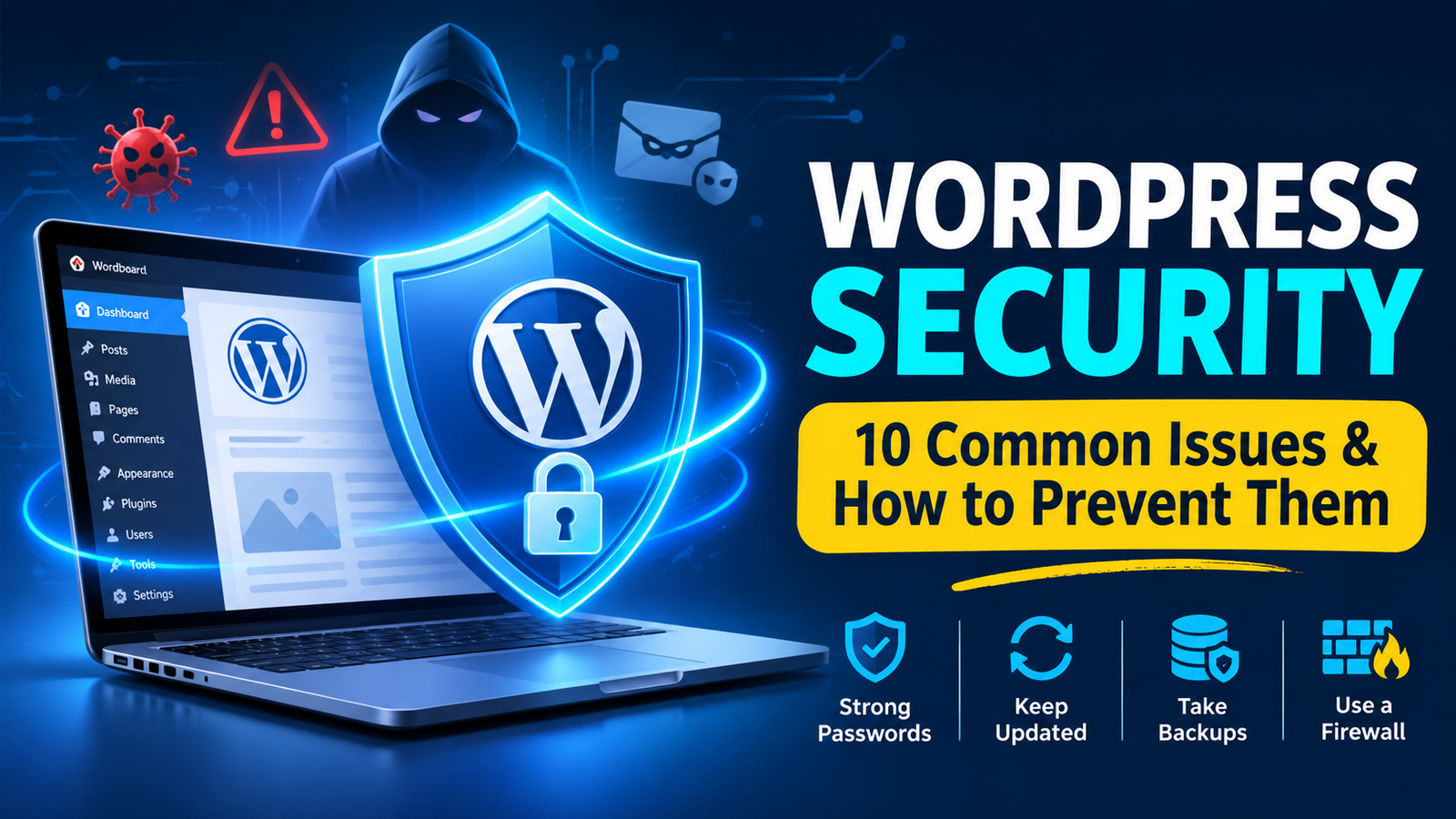
10 Common WordPress Security Issues and How to Prevent Them

Let’s look at some common security problems that can affect WordPress websites and how you can protect your website against them.

1. Weak Passwords and Unauthorized Login Attempts

Weak passwords are one of the easiest ways attackers can gain access to a WordPress website.

Using simple passwords such as “admin123” or reusing the same password across multiple websites increases the risk of unauthorized access.

Attackers may also use automated brute-force attacks to try different username and password combinations until they find valid login credentials.

How to prevent it:

  • Use strong and unique passwords for every WordPress account.
  • Avoid using “admin” as your administrator username.
  • Enable two-factor authentication (2FA).
  • Limit repeated login attempts where appropriate.
  • Remove unused administrator accounts.
  • Use a password manager to manage login credentials securely.

Strong authentication is one of the most important steps in protecting your WordPress dashboard.

2. Outdated WordPress Core, Themes, and Plugins

Running outdated WordPress software can expose your website to known security vulnerabilities.

WordPress regularly releases updates that include security fixes, bug fixes, and improvements. Plugin and theme developers also release updates to address vulnerabilities and compatibility issues.

If updates are ignored, attackers may exploit weaknesses in outdated software.

How to prevent it:

  • Keep WordPress core updated.
  • Update all active plugins and themes.
  • Remove unused and abandoned plugins or themes.
  • Check update compatibility before applying changes to important websites.
  • Take a backup before major updates.
  • Test important functionality after updating.

Regular updates help reduce security risks and keep your website running smoothly.

3. Vulnerable or Poorly Maintained Plugins

Plugins extend WordPress functionality, but installing too many plugins or using poorly maintained plugins can increase your website’s attack surface.

A plugin may contain security vulnerabilities due to insecure coding, outdated dependencies, or improper data validation.

Even a trusted plugin can become vulnerable if it is not updated.

How to prevent it:

  • Install plugins only from trusted developers and reputable sources.
  • Check plugin update history and compatibility.
  • Review whether a plugin is actively maintained.
  • Remove plugins that are no longer required.
  • Avoid downloading nulled or pirated plugins.
  • Keep installed plugins updated.

Remember that plugin quality and maintenance are more important than simply counting how many plugins your website uses.

4. Malware Infections and Malicious Code

Malware is harmful software that can infect your website and perform unauthorized activities.

A compromised WordPress website may contain malicious scripts, suspicious files, spam links, or redirects to unsafe websites.

Malware infections can also affect website visitors and damage your business reputation.

How to prevent it:

  • Use a reputable website security solution.
  • Scan website files regularly for suspicious code.
  • Monitor unexpected changes to important files.
  • Remove unused themes and plugins.
  • Keep WordPress and all extensions updated.
  • Use secure hosting with appropriate malware protection.
  • Investigate unexpected redirects, pop-ups, or suspicious website behavior.

If your website is already infected, avoid deleting random files. Identify the source of the infection and clean the website carefully.

5. SQL Injection and Cross-Site Scripting (XSS)

SQL injection and cross-site scripting (XSS) are common web application security vulnerabilities.

SQL Injection: Attackers attempt to insert malicious SQL commands through improperly handled user input. This may expose or manipulate database information.

Cross-Site Scripting (XSS): Attackers inject malicious scripts into website content or input fields. These scripts may execute in visitors’ browsers.

These vulnerabilities can occur in custom code, themes, plugins, and poorly secured integrations.

How to prevent it:

  • Keep WordPress core, plugins, and themes updated.
  • Use trusted plugins and professionally developed themes.
  • Validate and sanitize user input.
  • Escape output before displaying dynamic content.
  • Use prepared database queries instead of directly inserting user input into SQL statements.
  • Implement appropriate security headers and a Content Security Policy where suitable.
  • Conduct security testing for custom WordPress development.

Developers should follow WordPress coding standards and secure development practices when building custom functionality.

6. Insecure File Permissions and Configuration

Incorrect file permissions can allow unauthorized users or processes to modify important website files.

Sensitive configuration files may also expose information if they are not properly protected.

For example, your WordPress configuration file contains database connection details and other important settings.

How to prevent it:

  • Use appropriate file and directory permissions.
  • Restrict access to sensitive configuration files.
  • Protect your wp-config.php file.
  • Disable directory listing on your server.
  • Use secure hosting configurations.
  • Avoid giving unnecessary write permissions to website files and directories.

For many standard WordPress hosting environments, commonly used permissions are 755 for directories and 644 for files. However, your hosting provider’s security requirements should take priority.

7. Lack of Regular Website Backups

Backups are essential for recovering your website after unexpected security incidents, server failures, or accidental changes.

Without a reliable backup, restoring a compromised or damaged website can become difficult and expensive.

How to prevent it:

  • Schedule automatic website backups.
  • Back up both website files and the database.
  • Store backups in a separate secure location.
  • Maintain multiple backup versions.
  • Test backup restoration periodically.
  • Create an additional backup before major updates or website changes.

A backup is useful only when it can be restored successfully.

8. Missing SSL Certificate and Insecure Connections

An SSL/TLS certificate helps encrypt information transferred between your website and its visitors.

Without HTTPS, sensitive information submitted through forms or login pages may be exposed to interception, particularly on insecure networks.

How to prevent it:

  • Install a valid SSL/TLS certificate.
  • Configure your website to use HTTPS.
  • Redirect HTTP traffic to HTTPS.
  • Update internal links and website resources to use secure URLs.
  • Check for mixed-content warnings.
  • Renew SSL certificates before they expire.

HTTPS is an important part of website security, but it does not protect a website against malware, vulnerable plugins, or unauthorized access by itself.

9. Insecure User Roles and Permissions

WordPress provides different user roles, including Administrator, Editor, Author, Contributor, and Subscriber.

Assigning unnecessary administrative permissions can increase security risks.

For example, a person who only needs to publish blog posts should not automatically receive full administrator access.

How to prevent it:

  • Assign the minimum permissions required for each user.
  • Avoid sharing administrator accounts.
  • Remove accounts belonging to former employees or developers when access is no longer needed.
  • Review user permissions regularly.
  • Enable stronger authentication for privileged accounts.
  • Use custom roles carefully when your website requires additional permissions.

Following the principle of least privilege helps reduce the impact of compromised accounts.

10. Lack of Website Security Monitoring

Even a properly configured website can face new security threats over time.

Without regular monitoring, suspicious login attempts, malware infections, unexpected file changes, and unusual website activity may go unnoticed.

How to prevent it:

  • Monitor login activity and failed authentication attempts.
  • Schedule regular malware scans.
  • Review server and security logs.
  • Monitor unexpected file changes.
  • Set up alerts for suspicious activity.
  • Check website availability and performance.
  • Review security configurations periodically.

Continuous monitoring helps identify potential problems before they become more serious.

Essential WordPress Security Best Practices

In addition to preventing the issues mentioned above, follow these essential WordPress security practices:

Security PracticeWhy It Matters
Enable two-factor authenticationAdds another layer of login protection
Use a Web Application Firewall (WAF)Helps filter malicious web traffic
Keep software updatedAddresses known security vulnerabilities
Use trusted plugins and themesReduces risks from poorly maintained software
Schedule regular backupsHelps restore your website after incidents
Use secure hostingProvides server-level security protection
Limit user permissionsReduces unnecessary access
Monitor website activityHelps identify suspicious behavior
Use HTTPSEncrypts data transferred between visitors and your website
Remove unused componentsReduces unnecessary attack surfaces

No single security measure can guarantee complete protection. A combination of preventive controls, monitoring, and regular maintenance provides stronger protection.

What Should You Do If Your WordPress Website Gets Hacked?

If you suspect that your WordPress website has been compromised, take action as soon as possible.

Follow these steps:

  1. Contact your hosting provider: Inform them about the suspected security incident and ask them to check server-level activity.
  2. Create a safe copy: Preserve a copy of the affected website for investigation when possible.
  3. Restrict unauthorized access: Reset compromised passwords and review administrator accounts.
  4. Scan website files: Identify suspicious scripts, malware, and unauthorized file changes.
  5. Clean infected files: Remove malicious code and restore legitimate files from trusted sources.
  6. Update WordPress components: Update WordPress core, plugins, and themes after addressing the infection.
  7. Review database activity: Check for suspicious administrator accounts, injected content, and unexpected changes.
  8. Restore from a clean backup: If necessary, restore a verified backup from before the compromise.
  9. Monitor the website: Continue checking website activity to identify signs of reinfection.

If the attack involves customer information, payment data, or other sensitive information, follow applicable legal and regulatory notification requirements.

Do not assume that changing your password alone will completely remove a malware infection.

Why Regular WordPress Website Maintenance Matters

WordPress security is not a one-time setup. New vulnerabilities, software updates, configuration changes, and emerging threats make ongoing maintenance important.

A regular WordPress maintenance plan can help you:

  • Keep WordPress core, plugins, and themes updated.
  • Monitor website security and suspicious activity.
  • Perform regular backups.
  • Identify and resolve technical issues.
  • Maintain website performance.
  • Review user access and permissions.
  • Reduce the risk of unexpected website downtime.

For businesses that depend on their websites for leads, sales, and customer communication, regular maintenance can help protect their online operations.

Final Thoughts

WordPress is a powerful platform, but website security should never be ignored.

Weak passwords, outdated plugins, malware infections, vulnerable custom code, and poor server configurations can expose your website to unnecessary risks.

By following the right WordPress security practices, keeping software updated, using strong authentication, maintaining regular backups, and monitoring website activity, you can significantly reduce common security risks.

Remember: Website security is an ongoing responsibility, not a one-time task.

Need Help Securing Your WordPress Website?

Keeping a WordPress website secure requires regular updates, monitoring, backups, and technical expertise.

At DevOrbit Technologies, we help businesses maintain and protect their WordPress websites through professional WordPress security and maintenance services.

Whether you need a security review, malware cleanup, ongoing maintenance, or website protection, our team can help you keep your website secure and reliable.

Explore our services:

Contact DevOrbit Technologies to discuss your WordPress website security requirements.
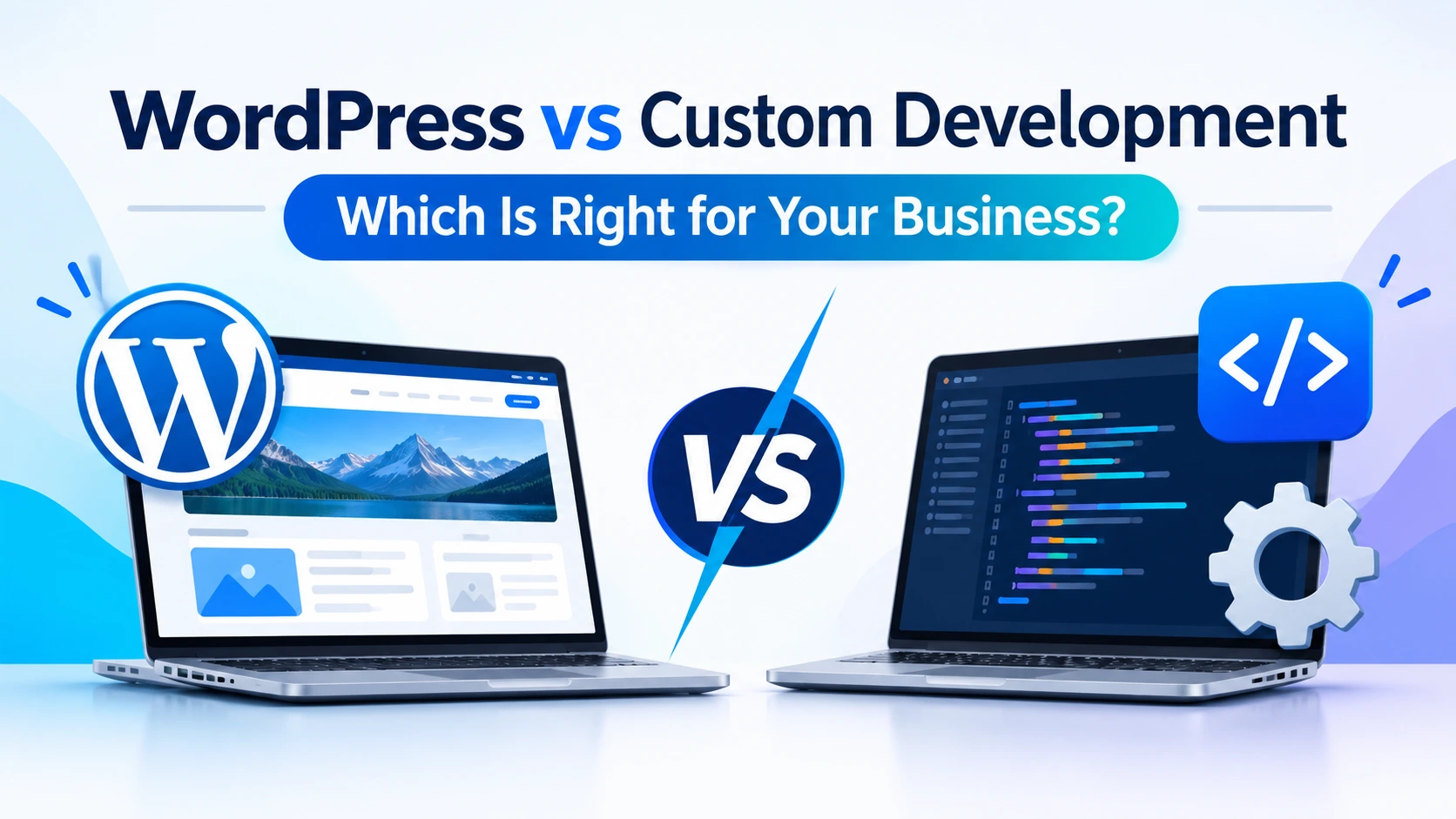
WordPress v/s Custom Development: Which One Is Right for Your Business?

Not sure whether to choose WordPress or a fully custom-built solution? Explore the advantages, limitations, costs, and ideal use cases to determine the best option for your business goals.

Quick Summary

Choose WordPress if you need:

  • A business or corporate website
  • A WooCommerce online store
  • A blog or content-driven website
  • A portfolio or service-based website
  • A website that can be launched quickly and managed easily

Choose Custom Development if you need:

  • A SaaS platform
  • A CRM or ERP system
  • A healthcare or banking application
  • A custom booking engine
  • Highly specialized workflows or enterprise-level software

Our Recommendation: For the majority of startups, small businesses, service providers, agencies, educational institutions, and growing companies, WordPress provides the best balance of affordability, flexibility, scalability, and speed to market.


WordPress vs Custom Development: At a Glance

Business RequirementRecommended Solution
Company Website✅ WordPress
Business Website✅ WordPress
Corporate Website✅ WordPress
WooCommerce Store✅ WordPress
Blog✅ WordPress
Portfolio Website✅ WordPress
Educational Website✅ WordPress
Membership Website✅ WordPress
Landing Page✅ WordPress
CRM System✅ Custom Development
ERP Software✅ Custom Development
SaaS Platform✅ Custom Development
Banking Application✅ Custom Development
Healthcare System✅ Custom Development
Food Delivery App✅ Custom Development
Ride Booking Platform✅ Custom Development
Multi-Vendor MarketplaceDepends on Complexity

Why Trust DevOrbit Technologies?

At DevOrbit Technologies, we understand that every business has unique goals and technical requirements. With years of experience delivering high-quality WordPress websites, WooCommerce stores, and custom web applications, we focus on recommending the right technology based on your business objectives-not simply the most popular platform.

Whether you’re launching a new website, modernizing an existing one, or building a complex digital solution, our team helps you choose an approach that delivers long-term value, scalability, and performance.


Real-World Examples

Choosing the right technology becomes much easier when you look at real business scenarios.

Businesses That Benefit from WordPress

WordPress is an excellent choice for:

  • Corporate Websites
  • Small Business Websites
  • Startup Websites
  • WooCommerce Stores
  • Educational Institutions
  • Digital Agencies
  • Law Firms
  • Medical Clinics
  • Construction Companies
  • Restaurants & Cafes
  • Hotels & Resorts
  • Real Estate Agencies
  • NGOs & Non-Profit Organizations
  • Personal Portfolios
  • Blogs & News Websites

These websites primarily focus on presenting information, generating leads, publishing content, or selling products online.

Businesses That Need Custom Development

Custom development is better suited for applications such as:

  • SaaS Platforms
  • Banking Portals
  • Healthcare Management Systems
  • ERP Software
  • CRM Systems
  • HRMS Applications
  • Inventory Management Systems
  • Food Delivery Platforms
  • Ride Booking Applications
  • Learning Management Systems (LMS)
  • Multi-Vendor Marketplaces
  • Enterprise Internal Portals

These solutions typically require highly customized business logic, advanced integrations, and complex workflows that extend beyond the capabilities of a traditional content management system.


How to Decide Between WordPress and Custom Development

Still unsure which option is right for your business? Ask yourself the following questions:

  • What is the primary purpose of my website?
  • Do I need to publish or update content regularly?
  • Will I be selling products or services online?
  • Does my business require custom workflows or advanced automation?
  • What is my available budget?
  • How quickly do I need to launch?
  • Will non-technical team members manage the website?
  • How much customization will I need in the future?

If your project is focused on marketing your business, generating leads, publishing content, or running an online store, WordPress is usually the most practical and cost-effective solution.

If you’re building software with unique business processes, complex user roles, or enterprise-level functionality, custom development is often the better long-term investment.


Our Recommendation

Every business has different requirements, but based on our experience, WordPress is the best choice for most organizations.

We recommend WordPress if you’re building:

  • Business Websites
  • Company Websites
  • Corporate Websites
  • Startup Websites
  • Service-Based Websites
  • WooCommerce Stores
  • Blogs
  • Portfolio Websites
  • Educational Websites
  • Landing Pages

WordPress combines fast development, excellent SEO capabilities, affordability, ease of management, and long-term scalability, making it the ideal platform for businesses looking to establish a strong online presence.

However, if your project involves enterprise software, complex workflows, large-scale SaaS platforms, or highly specialized functionality, investing in custom development will provide greater flexibility and complete control over your application.


Why Businesses Choose WordPress

WordPress has become the preferred platform for millions of businesses because it offers an ideal combination of flexibility, performance, affordability, and ease of use. Unlike fully custom-built solutions, WordPress allows businesses to launch quickly while still enabling growth and adaptation over time.

With a vast ecosystem of plugins, themes, integrations, and developer support, businesses can implement advanced functionality without rebuilding common features from scratch. This reduces both development time and long-term maintenance costs while allowing teams to focus on business growth rather than technical complexity.

For organizations that require a professional website with excellent SEO, reliable security, and scalable performance, WordPress remains one of the most trusted and future-ready solutions.


About DevOrbit Technologies

At DevOrbit Technologies, we specialize in delivering modern, scalable, and high-performance web solutions tailored to your business goals. Whether you need a professional WordPress website, a powerful WooCommerce store, or a fully customized web application, our team is committed to building secure, SEO-friendly, and future-ready digital experiences.

Our expertise includes:

  • Custom WordPress Development
  • WooCommerce Development
  • Custom Web Applications
  • API Integrations
  • AI Automation Solutions
  • Website Performance Optimization
  • Website Security & Maintenance
  • Ongoing Technical Support

We believe in building websites that not only look great but also help businesses grow, generate leads, and achieve measurable results.


Ready to Build the Right Website?

Choosing the right technology is one of the most important decisions for your online success. Whether you’re launching a new business website, upgrading an existing platform, or planning a custom web application, selecting the right foundation can save significant time, cost, and effort in the future.

At DevOrbit Technologies, we help businesses identify the best solution based on their goals, budget, and long-term vision. From WordPress development and WooCommerce stores to custom software solutions and API integrations, we build digital products that are secure, scalable, and designed for growth.

Ready to get started? Contact us today for a free consultation and let our experts help you choose the right technology for your next project.

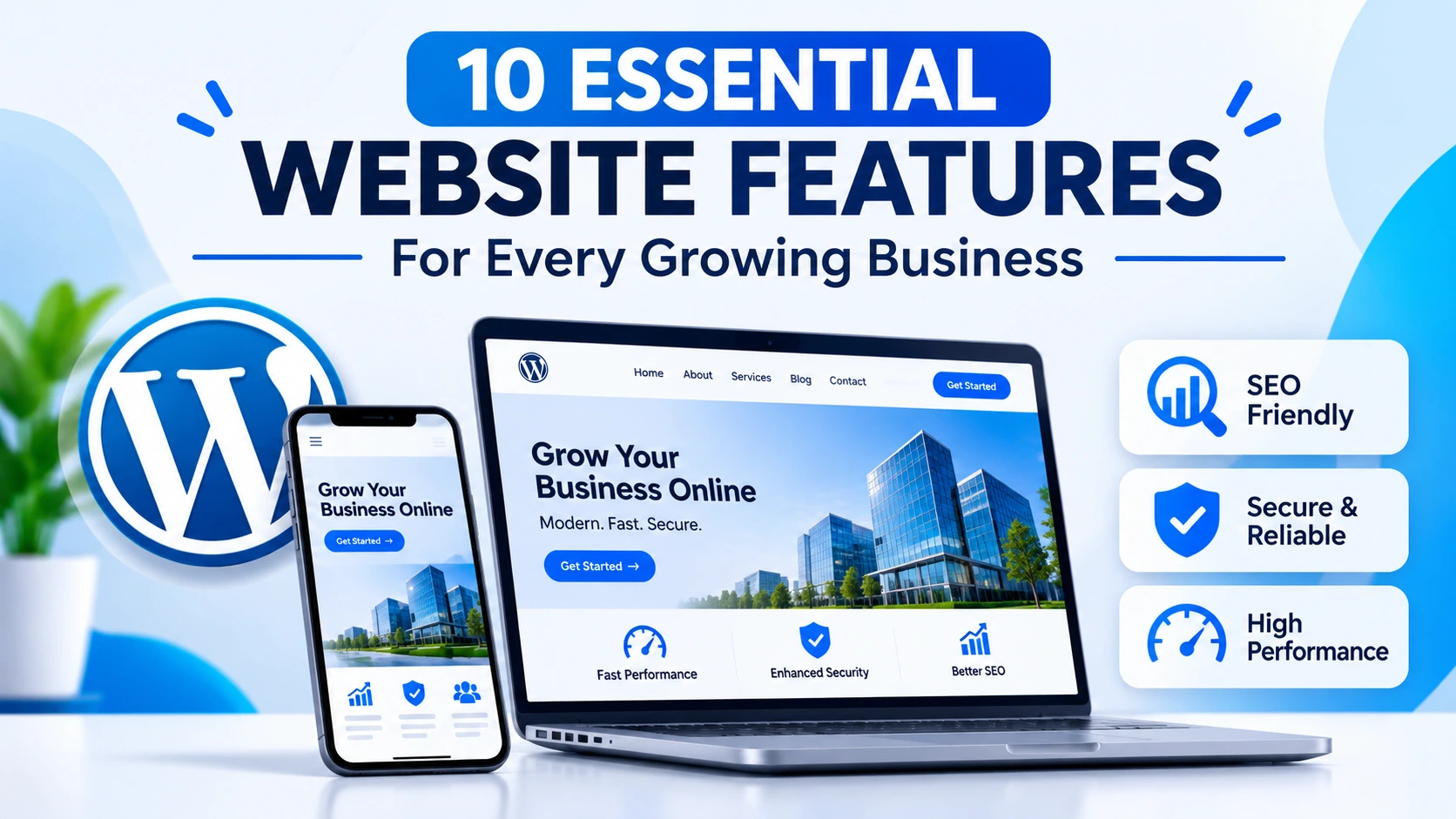
10 Essential Features Every Business WordPress Website Should Have

A business website is more than just an online presence-it’s a powerful marketing tool that helps attract visitors, generate leads, and grow your brand. Whether you’re a startup, small business, or established enterprise, your website should be designed to deliver excellent performance, security, and user experience.

WordPress powers over 40% of websites worldwide because it offers flexibility, scalability, and ease of management. However, simply installing WordPress isn’t enough. To truly stand out online, your website should include the essential features that improve SEO, enhance user experience, and support long-term business growth.

In this guide, we’ll explore the 10 essential features every business WordPress website should have.


1. Mobile-Responsive Design

More than half of all internet traffic comes from smartphones and tablets. A responsive website automatically adjusts to different screen sizes, ensuring visitors enjoy a seamless browsing experience on any device.

Benefits

  • Improved user experience
  • Higher search engine rankings
  • Better engagement
  • Increased conversions

2. Fast Loading Performance

Website speed has a direct impact on user satisfaction and search engine rankings. Visitors expect pages to load within a few seconds, and slow websites often lose potential customers.

Best Practices

  • Optimize images
  • Enable browser caching
  • Use a Content Delivery Network (CDN)
  • Minify CSS and JavaScript
  • Choose reliable hosting

3. SEO-Friendly Website Structure

Search Engine Optimization (SEO) helps your business appear in Google search results and attract organic traffic. A well-structured WordPress website provides a solid foundation for long-term visibility.

Essential SEO Elements

  • Clean URLs
  • Meta titles and descriptions
  • Proper heading hierarchy
  • XML sitemap
  • Schema markup
  • Internal linking

4. Easy Content Management

One of WordPress’s biggest advantages is its user-friendly content management system. Business owners can easily update pages, publish blog posts, upload images, and manage content without technical expertise.

Easily Manage

  • Pages
  • Blog posts
  • Images
  • Testimonials
  • Team members
  • Services

5. Strong Website Security

Website security protects your business, customer information, and online reputation. Implementing proper security measures reduces the risk of hacking, malware, and data loss.

Recommended Security Features

  • SSL Certificate
  • Firewall protection
  • Malware scanning
  • Login security
  • Regular backups
  • Automatic updates

6. Contact Forms & Lead Generation

A business website should make it easy for visitors to contact you. Well-designed contact forms encourage potential customers to request quotes, ask questions, or schedule consultations.

Include

  • Contact form
  • Request a quote
  • Newsletter signup
  • Live chat
  • Call-to-action buttons

7. WooCommerce Ready

Even if you don’t currently sell products online, building your website with WooCommerce compatibility allows you to expand your business whenever you’re ready.

WooCommerce Supports

  • Product management
  • Secure payments
  • Shipping options
  • Inventory tracking
  • Discount coupons

8. Performance Optimization

Performance optimization improves both user experience and search engine rankings by ensuring your website remains fast and efficient.

Optimization Techniques

  • Lazy loading
  • Database optimization
  • Image compression
  • CSS & JavaScript optimization
  • Browser caching

9. Analytics & Reporting

Understanding visitor behavior helps you make smarter business decisions. Integrating analytics tools allows you to monitor website performance and marketing campaigns.

Useful Integrations

  • Google Analytics
  • Google Search Console
  • Conversion tracking
  • Event tracking
  • Visitor insights

10. Scalability for Future Growth

As your business grows, your website should grow with it. WordPress makes it easy to add new features and expand your online presence without rebuilding your website.

Future-Ready Features

  • Multi-language support
  • Membership systems
  • Booking functionality
  • CRM integration
  • API integrations
  • AI automation
  • Additional services and landing pages

Final Thoughts

A successful business website isn’t just about attractive design-it should also be fast, secure, SEO-friendly, mobile-responsive, and built to generate leads. By including these ten essential features, you’ll create a professional WordPress website that supports your business goals today and scales with your growth tomorrow.

Whether you’re launching a new website or improving an existing one, investing in these features will help you deliver a better user experience, improve search engine visibility, and increase conversions.


Need a Professional Business WordPress Website?

At DevOrbit Technologies, we specialize in building fast, secure, SEO-friendly, and scalable WordPress websites tailored to your business needs. From custom WordPress development and WooCommerce solutions to performance optimization, API integrations, and ongoing maintenance, we help businesses establish a strong digital presence.

Ready to grow your business online? Contact us today for a free consultation and let’s build a website that delivers real results.

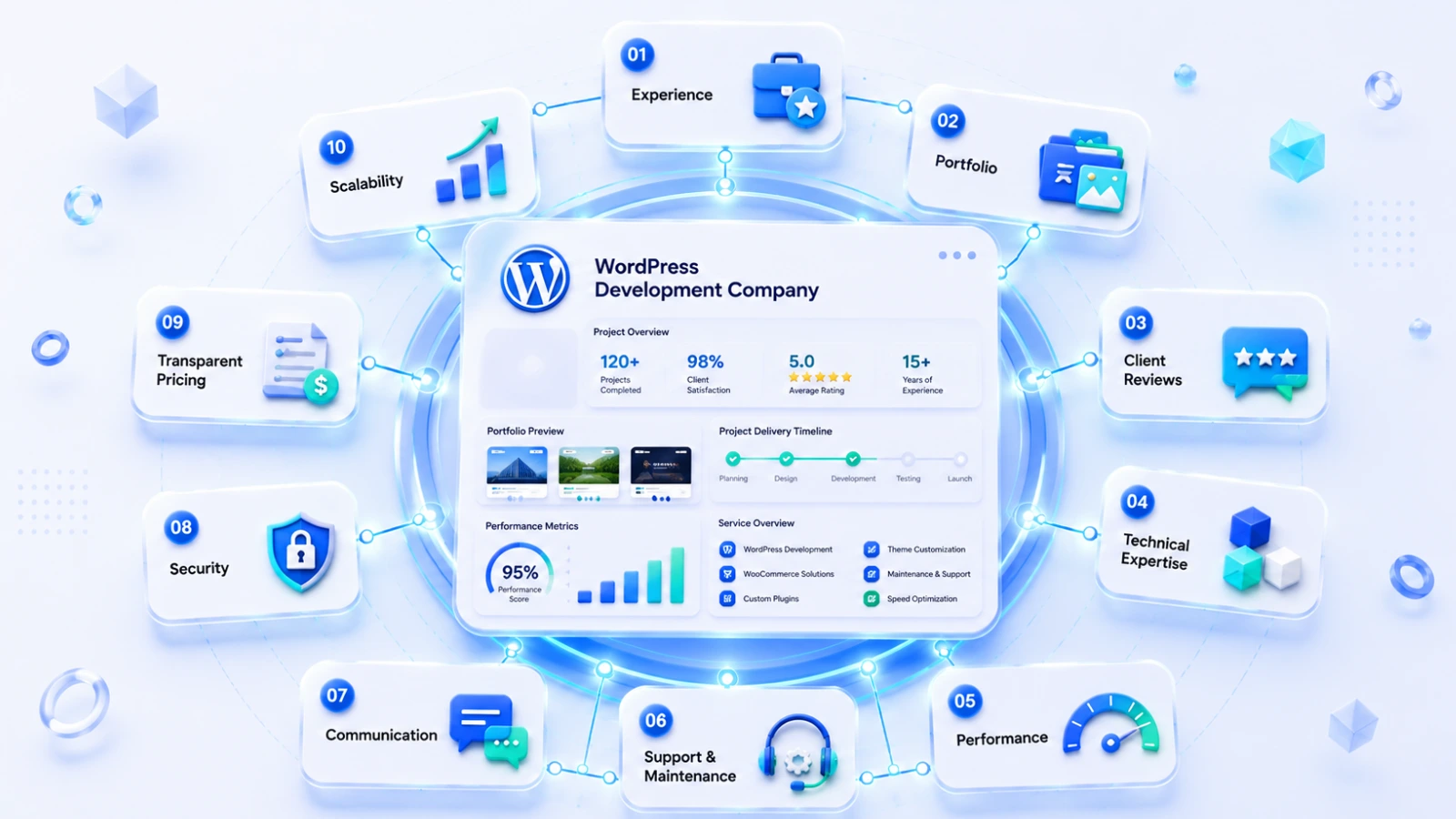
How to Choose the Right WordPress Development Company

Building a professional website is one of the most important investments for any business. Whether you’re launching a startup, redesigning an existing website, or developing a custom WordPress solution, selecting the right WordPress development company can significantly impact your project’s success.

A reliable development partner doesn’t just build websites-they help you create a fast, secure, scalable, and business-focused digital presence that supports your long-term goals.

In this guide, we’ll explore the key factors to consider before hiring a WordPress development company.


Why Choosing the Right WordPress Development Company Matters

Your website is often the first impression customers have of your business. A poorly developed website can lead to slow loading times, security vulnerabilities, poor user experience, and lower search engine rankings.

An experienced WordPress development company ensures your website is:

  • Fast and responsive
  • SEO-friendly
  • Secure and regularly maintained
  • Mobile optimized
  • Easy to manage
  • Scalable as your business grows

Choosing the right partner from the beginning can save both time and money while helping your business achieve better online results.


1. Check Their Experience

Experience matters when developing professional WordPress websites.

Look for a company with several years of experience building business websites, WooCommerce stores, custom themes, plugins, and enterprise solutions.

Experienced developers are more likely to anticipate challenges and provide reliable solutions.


2. Review Their Portfolio

A company’s portfolio provides valuable insight into the quality of its work.

Review previous projects to evaluate:

  • Design quality
  • Performance
  • User experience
  • Industry diversity
  • Mobile responsiveness

A strong portfolio demonstrates technical expertise and consistency.


3. Read Client Reviews and Testimonials

Customer feedback helps you understand how the company works with clients.

Look for reviews that mention:

  • Communication
  • Project delivery
  • Technical support
  • Problem-solving skills
  • Overall satisfaction

Positive reviews from real clients build confidence in the company’s reliability.


4. Evaluate Technical Expertise

A professional WordPress development company should have expertise in:

  • Custom WordPress Development
  • WooCommerce
  • Custom Plugin Development
  • Theme Development
  • API Integrations
  • Performance Optimization
  • Website Security
  • SEO Best Practices

The broader their expertise, the better equipped they are to handle future requirements.


5. Focus on Website Performance

Website speed directly affects user experience, SEO rankings, and conversions.

Ask how the company improves performance through:

  • Image optimization
  • Efficient coding
  • Caching
  • Core Web Vitals optimization
  • Database optimization
  • CDN integration

Fast websites keep visitors engaged and improve search engine visibility.


6. Prioritize Security

Website security should never be overlooked.

Choose a development company that follows security best practices such as:

  • Secure coding standards
  • Regular updates
  • Firewall implementation
  • Malware protection
  • SSL configuration
  • Backup strategies

A secure website protects both your business and your customers.


7. Assess Communication

Successful projects rely on clear communication.

A good development company should:

  • Respond promptly
  • Provide regular project updates
  • Explain technical concepts clearly
  • Maintain transparency throughout development

Strong communication helps avoid misunderstandings and keeps projects on schedule.


8. Ask About Support and Maintenance

Launching a website is only the beginning.

Ongoing maintenance is essential for:

  • WordPress updates
  • Plugin updates
  • Security monitoring
  • Performance improvements
  • Bug fixes
  • Backups

Choose a company that offers long-term support after the website goes live.


9. Understand Their Pricing

The cheapest option isn’t always the best.

Look for transparent pricing that clearly outlines:

  • Project scope
  • Deliverables
  • Timeline
  • Support services
  • Additional costs

A trustworthy company provides detailed proposals without hidden charges.


10. Consider Future Scalability

As your business grows, your website should grow with it.

A professional WordPress development company builds scalable websites that can easily support:

  • New features
  • Additional pages
  • eCommerce expansion
  • Third-party integrations
  • Increased traffic
  • Business automation

Planning for future growth reduces redevelopment costs later.


Questions to Ask Before Hiring

Before making your final decision, ask potential companies:

  • How many WordPress projects have you completed?
  • Can you share recent case studies?
  • Do you build custom themes and plugins?
  • How do you optimize website performance?
  • What security measures do you implement?
  • Do you provide ongoing maintenance?
  • How do you manage project communication?
  • What is your estimated delivery timeline?

Their answers will help you evaluate both technical skills and professionalism.


Final Thoughts

Choosing the right WordPress development company is about more than comparing prices-it’s about finding a trusted technology partner who understands your business goals and can deliver a secure, high-performing, and scalable website.

Take time to review experience, technical expertise, communication, portfolio, security practices, and long-term support before making your decision. Investing in the right team today will help ensure your website continues to perform well and support your business growth for years to come.


Conclusion

A professional WordPress website is one of the most valuable digital assets your business can have. By carefully evaluating experience, portfolio, technical expertise, communication, support, pricing, and scalability, you can confidently choose a WordPress development company that aligns with your goals.

Whether you’re building a new website, launching an online store, or upgrading an existing platform, partnering with an experienced team will help you create a reliable, future-ready solution that delivers lasting results.